Consistent roof maintenance is a crucial practice for property owners aiming to minimize long-term repair costs. Regular inspections can reveal small issues that, if ignored, may develop into significant problems. This proactive approach not only enhances the lifespan of the roof but also safeguards the building’s interior from potential damage. Understanding the various aspects of roof maintenance is important. What specific strategies can be implemented to guarantee a roof remains in peak condition?
Key Takeaways
- Regular inspections identify issues early, preventing minor problems from escalating into costly repairs.
- Consistent debris removal reduces wear and tear, extending the roof’s lifespan and minimizing future expenses.
- Maintaining flashing and seams prevents water leaks, which can cause extensive interior damage and financial burdens.
- Routine assessments of drainage systems ensure optimal performance, avoiding costly water damage and repairs.
- Documented maintenance activities provide valuable records for insurance claims, saving time and money during emergencies.
Understanding the Importance of Regular Roof Inspections
Although many property owners may overlook the significance of regular roof inspections, these assessments are essential for maintaining the integrity of a commercial roof. Conducting routine inspections guarantees that potential issues, such as leaks or damaged materials, are identified early. By adhering to commercial roof maintenance basics, property owners can prevent minor problems from escalating into costly repairs. Regular inspections not only enhance the lifespan of the roof but also contribute to the overall safety and efficiency of the building. Additionally, these assessments provide valuable documentation that can aid in insurance claims. Investing in regular roof inspections fosters a sense of community among property owners who prioritize responsible management and care for their assets, ultimately leading to financial savings in the long run.
Key Components of Commercial Roof Maintenance Basics
Understanding the key components of commercial roof maintenance basics is vital for guaranteeing the longevity and functionality of a commercial roofing system. Regular inspections form the foundation of effective maintenance, allowing for the early identification of potential issues. Cleaning debris from the roof surface and gutters prevents water buildup, which can lead to leaks and structural damage. Additionally, monitoring and maintaining flashing, seams, and joints is critical, as these areas are often susceptible to wear. Proper drainage systems should also be regularly assessed to guarantee peak performance. Finally, documenting maintenance activities helps in tracking the roof’s condition over time, fostering a proactive approach to maintenance. Together, these components create a thorough strategy that enhances the life of the roofing system.
Common Roof Issues and Their Impact on Costs
When commercial roofs are neglected, several common issues can arise, leading to significant financial implications. Water leaks, for instance, can cause extensive interior damage, necessitating costly repairs and disrupting business operations. Additionally, accumulated debris can exacerbate wear and tear, resulting in premature aging of roofing materials. Moreover, inadequate ventilation may contribute to mold growth, leading to health hazards and potential liability costs. The presence of cracked or missing shingles not only affects aesthetics but can also invite further damage, escalating repair expenses. Regular inspections and maintenance are essential components of commercial roof maintenance basics, enabling property owners to identify and address these issues early, ultimately saving money on major repairs and extending the roof’s lifespan.
How Preventative Maintenance Extends Roof Lifespan
Neglecting routine care can lead to various roof issues, but implementing preventative maintenance can greatly extend a roof’s lifespan. By addressing potential problems before they escalate, property owners can enjoy a more durable roofing system. Key aspects of preventative maintenance include:
- Regular Inspections: Routine assessments identify wear and tear, allowing for timely repairs.
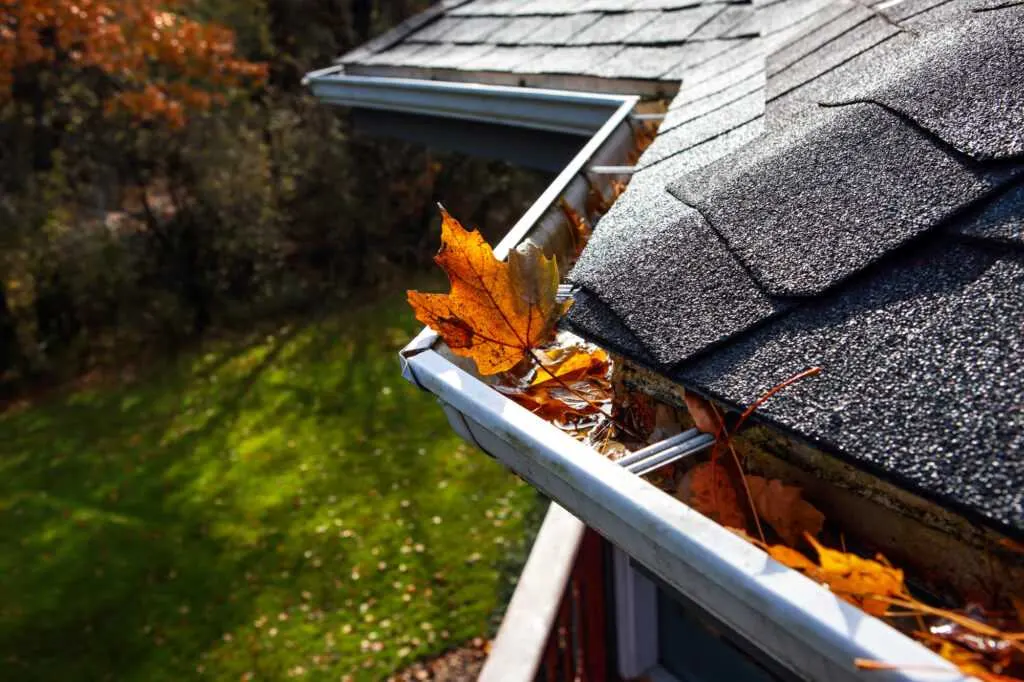
- Debris Removal: Clearing leaves, branches, and other debris prevents water pooling and damages.
- Sealing and Coating: Applying sealants and protective coatings enhances waterproofing and reduces UV damage.
Incorporating these commercial roof maintenance basics into a regular schedule promotes longevity, minimizes unexpected costs, and guarantees a secure environment for occupants. Ultimately, a well-maintained roof serves not only as a protective barrier but also as a valuable asset.
Budgeting for Effective Roof Maintenance Strategies
Effective roof maintenance strategies require careful budgeting to guarantee that property owners can address necessary repairs and upkeep without financial strain. Allocating funds specifically for commercial roof maintenance basics is essential. This involves evaluating current roof conditions, estimating potential repair costs, and setting aside a dedicated maintenance fund. Property owners should consider seasonal factors that may impact roof integrity, such as heavy snowfall or intense heat, which could lead to unforeseen expenses. Engaging with professional roofing contractors can provide valuable insights into ideal maintenance schedules and associated costs. By prioritizing a well-structured budget for roof maintenance, property owners can ensure their investments remain protected, ultimately fostering a sense of community through shared responsibility for property upkeep and value preservation.
Frequently Asked Questions
How Often Should I Schedule Roof Maintenance Inspections?
Roof maintenance inspections should be scheduled at least twice a year, ideally in spring and fall. This routine guarantees early detection of issues, promoting longevity and reliability, which are essential for maintaining commercial roof maintenance basics.
What Are the Signs My Roof Needs Immediate Attention?
Visible leaks, missing shingles, sagging areas, and excessive granule loss indicate a roof needing immediate attention. Additionally, discolored patches or mold growth signal underlying issues, necessitating prompt professional evaluation for effective commercial roof maintenance basics.
Can I Perform Roof Maintenance Myself?
Yes, individuals can perform basic roof maintenance themselves, such as inspecting for debris or checking seals. However, for complex issues or safety concerns, professional assistance is recommended to guarantee thorough care and longevity of the roof.
What Warranties Cover Commercial Roof Maintenance Services?
Commercial roof maintenance services are typically covered by manufacturer warranties, contractor warranties, and maintenance agreements. These warranties can protect against defects, guarantee proper installation, and outline service expectations, providing peace of mind for property owners.
How Can I Choose a Reliable Roofing Contractor?
To choose a reliable roofing contractor, one should verify credentials, seek references, assess insurance coverage, and evaluate previous work quality. Engaging with local reviews and obtaining multiple quotes can further guarantee informed decision-making.
Conclusion
To summarize, consistent roof maintenance is an essential investment that safeguards property integrity and financial stability. By prioritizing regular inspections and addressing minor issues promptly, property owners can greatly reduce the risk of costly repairs and extend the lifespan of their roofs. Understanding the various components of roof maintenance and budgeting effectively guarantees a proactive approach, ultimately enhancing the value of the property while providing peace of mind regarding safety and durability.
You May Also Like To Read: